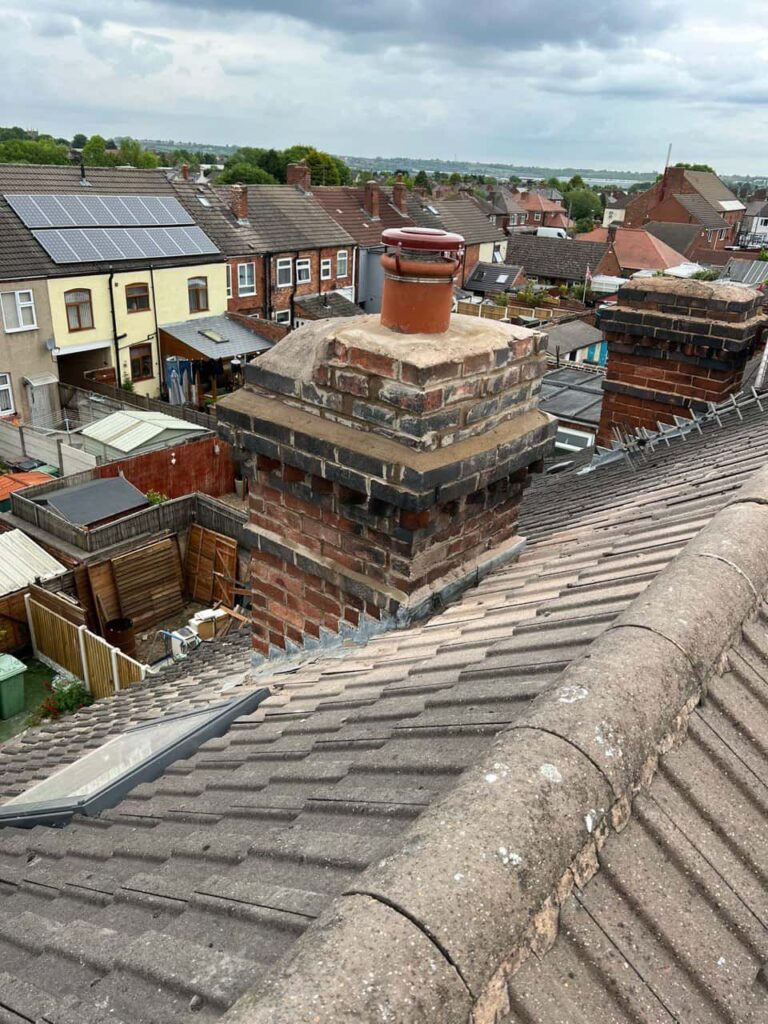
The Importance of Addressing Minor Roof Defects Promptly
A small roofing defect can appear harmless, particularly when there is no visible leak inside the property. However, the roof covering works as a complete system. Tiles, underlay, battens, flashing, fixings and drainage components must all perform correctly to keep moisture away from the structure below.
When one element becomes damaged or displaced, water and wind can begin affecting the surrounding materials. Prompt roof repairs can contain the problem before deterioration spreads, helping homeowners in Warsop, Nottinghamshire, maintain a secure and dependable roof.
Small Defects Can Allow Water Beneath the Roof Covering
A cracked tile, lifted flashing or small tear in a flat roof covering may create only a narrow opening. That opening can still allow rainwater to pass beneath the external surface.
Once moisture enters the roof build-up, it may affect:
- Roofing underlay
- Timber battens
- Roof timbers
- Insulation
- Ceilings and internal finishes
- Nearby fixings and junctions
Water can travel along timbers or membranes before becoming visible indoors. This means the source of a ceiling mark may be some distance from the point where rain entered.
One Loose Tile Can Affect Those Around It
Roof tiles are arranged to overlap and direct water down the slope. If one tile slips or becomes displaced, it can interrupt this pattern and leave neighbouring areas more exposed.
The resulting gap may also allow wind to reach beneath adjacent tiles. During poor weather, this pressure can loosen other components and extend what began as a localised problem. Repositioning or replacing the affected tile promptly helps restore the continuity of the roof covering.
Damaged Flashing Can Lead to Persistent Leaks
Flashing protects vulnerable roof junctions, including those around chimneys, walls and roof penetrations. Small splits, movement or deteriorated joints can allow water through during particular wind and rain conditions.
Because these defects are often difficult to see from ground level, the resulting leak may appear intermittent. Treating the visible damp mark without inspecting the flashing can leave the original cause unresolved.
A professional assessment can determine whether the flashing requires a local repair or more detailed attention.
Moisture Can Weaken Hidden Roofing Materials
Roof deterioration is not always immediately visible. Underlay and timber components may remain concealed beneath tiles or other coverings while moisture gradually affects their condition.
Warning signs can include:
- Damp or musty smells in the loft
- Dark marks on roof timbers
- Peeling paint or discoloured ceilings
- Damp insulation
- Daylight visible through the roof
- Watermarks that become darker after rainfall
By the time these symptoms appear, the defect may have been present for some time. Early inspection reduces the likelihood of hidden moisture spreading unnoticed.
Minor Drainage Problems Can Affect the Roofline
Blocked gutters, poorly flowing outlets and debris-filled valleys can prevent rainwater from leaving the roof efficiently. Water may then overflow, collect in vulnerable areas or repeatedly wet the roofline.
Continued exposure can affect fascias, soffits and the edges of the roof covering. A straightforward drainage issue may therefore contribute to broader deterioration if it is left unresolved.
Regular checks are particularly useful after periods of strong wind, when leaves and other debris can accumulate quickly.
Weather Can Turn Existing Weaknesses Into Urgent Problems
A roof defect does not always cause immediate water ingress. A tile may remain slightly out of position, or a small crack may stay dry during light rainfall. Strong winds or prolonged rain can then expose the weakness.
This explains why a leak may appear suddenly even though the underlying problem has developed gradually. Repairing known defects before demanding weather arrives helps preserve the roof’s ability to resist wind and rain.
Temporary Repairs May Hide the Underlying Cause
A surface patch can sometimes reduce an immediate symptom without addressing why the defect developed. If a tile repeatedly slips, for example, the problem may relate to worn fixings, damaged battens or movement in the surrounding roof covering.
Similarly, a recurring damp mark may result from failed flashing, damaged underlay or water tracking from another location. A lasting repair depends on identifying and correcting the root cause rather than treating only the most obvious sign.
When Should You Arrange a Roof Inspection?
Professional attention is advisable when you notice:
- Cracked, broken or missing tiles
- Slipped or uneven roof coverings
- Loose ridge or verge materials
- Damaged flashing
- Overflowing gutters
- Damp patches on ceilings or walls
- Moisture in the loft
- Repeated problems in the same roof area
- Visible changes following strong winds
Avoid climbing onto the roof yourself. Many defects require close assessment, and roofing surfaces can be unsafe even when they appear stable.
The Value of Timely Professional Repairs
A professional roofer can examine the affected area alongside the surrounding tiles, fixings, flashing and drainage components. This broader assessment helps establish whether the defect is genuinely isolated or part of a developing problem.
Timely work also helps preserve sound roofing materials. Correcting a small opening before moisture reaches adjacent components is generally more effective than waiting until several parts of the roof require attention.
Conclusion
Small roofing problems rarely improve without intervention. A cracked tile, loose flashing or blocked drainage point can allow water and wind to affect materials that were previously sound. Early repairs help contain the defect, protect the structure beneath and reduce the likelihood of recurring leaks.
If you have noticed a change in your roof in Warsop, Nottinghamshire, Warsop Roofing Repairs can assess the problem and recommend an appropriate repair. Prompt professional attention can help keep a manageable defect from becoming a much wider roofing issue.
Call us on: 01623 701 193
Click here to find out more about Warsop Roofing Repairs
Click here to complete our contact form and see how we can help with your roofing needs.