Roofing problems are rarely as straightforward as they first appear. A damp patch may be several metres away from the point where water entered, while a slipped tile may be the result of a damaged batten rather than an isolated fixing failure.
Without a proper assessment, it is easy to focus on the most visible symptom and overlook the underlying cause. Professional roofing advice replaces assumptions with evidence, helping property owners understand what has failed, why it happened and what work is genuinely required.
How Professional Roofing Advice Leads to Better Decisions
It Helps Identify the True Source of a Leak
Water can travel along underlay, battens, rafters and other surfaces before appearing inside a property. The position of an internal stain is therefore not always a reliable guide to the point of entry.
A professional inspection considers the complete route the water may have taken. This may involve examining:
- Cracked, broken or displaced tiles
- Ridges, hips and verges
- Roof valleys
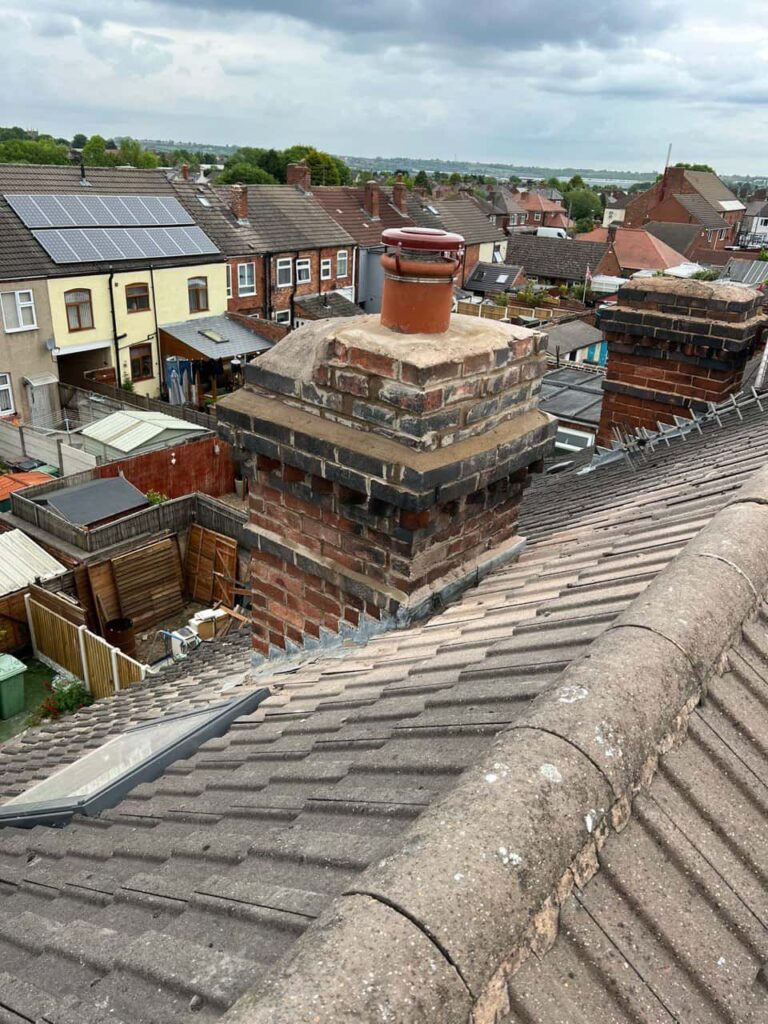
- Chimney details
- Lead flashing
- Flat roof joints and edges
- Gutters and drainage outlets
- Underlay and timbers where accessible
Connecting external defects with internal moisture patterns helps prevent repairs from being completed in the wrong area.
It Distinguishes Symptoms From Causes
A loose tile is a symptom, but the cause could be a failed fixing, broken tile nib, weakened batten or movement elsewhere in the roof. Replacing the tile without addressing the underlying problem may allow it to slip again.
The same principle applies to recurring leaks, cracked mortar and overflowing gutters. Professional advice examines why the defect developed rather than treating every visible issue as an isolated fault.
It Establishes How Far the Damage Extends
Roof damage may be localised or part of a wider pattern. This distinction is difficult to make from ground level because many important components are concealed beneath the covering.
A professional assessment can determine whether:
- One tile or a complete section has moved
- Underlay damage is isolated or widespread
- Battens remain strong enough to hold new fixings
- Moisture has reached supporting timbers
- Previous repairs are still serviceable
- Adjacent materials are beginning to deteriorate
Understanding the extent of the problem allows the work to be planned accurately.
It Clarifies Whether Repair or Replacement Is Appropriate
An older roof does not automatically require replacement, just as a small-looking defect does not always require a minor repair.
Localised repair may be suitable when the surrounding covering and supporting materials remain sound. More extensive work may deserve consideration when defects affect several areas, repairs repeatedly fail or concealed components have deteriorated.
Professional advice helps avoid both unnecessary replacement and repeated patching of a roof that can no longer be repaired reliably.
It Helps Prioritise the Most Important Work
A roof inspection may identify several issues at once. Some could require prompt attention, while others may simply need monitoring or routine maintenance.
Problems that can allow active water ingress or further movement generally require greater priority than cosmetic variations. Clear advice helps property owners understand which defects are connected and which can be managed separately.
This prevents attention from being diverted towards less important work while a more significant weakness remains unresolved.
It Ensures Materials and Repairs Are Compatible
Roofing materials must work with the existing construction. Tiles need the correct profile, overlap and fixing method, while flashing and flat roofing repairs must suit the surrounding material.
An unsuitable replacement may appear adequate initially but fail to integrate properly with the roof. Professional knowledge helps ensure that repairs preserve intended drainage routes and allow connected components to function correctly.
It Reduces the Risk of Accidental Damage
Attempting to investigate a roof by lifting tiles, walking across the covering or applying sealant can make the problem worse. Tiles may crack underfoot, brittle underlay can tear and random sealing may trap or redirect water.
A roofer can select an appropriate access method and inspect vulnerable areas with less unnecessary disturbance. Where materials need to be lifted, they can be removed and reinstated systematically.
It Makes Weather-Related Problems Easier to Understand
Some defects appear only during specific weather conditions. Wind-driven rain may enter beneath a slightly raised tile, while prolonged rainfall may expose a weakness in a valley or flat roof outlet.
Professional advice considers when the problem occurs as well as where it becomes visible. Useful information includes whether the leak appears:
- Only during strong winds
- After several hours of rain
- Immediately when rain begins
- During light rain from one direction
- Following particularly severe weather
- In the same place each time
These patterns can narrow down the likely entry point.
It Creates a Clearer Scope of Work
Vague recommendations make it difficult to understand what a roof repair is intended to achieve. A professional assessment should explain the affected components, probable cause and work needed to restore weather protection.
At Warsop Roofing Repairs, we assess the roof as a complete system before recommending a solution. Our aim is to provide clear guidance based on the condition of the covering, junctions, drainage and supporting materials rather than relying on assumptions.
It Supports Sensible Roof Maintenance
Professional advice is also valuable before a visible leak develops. An inspection can identify loose components, deteriorating mortar, early flashing defects or blocked drainage before they affect the interior.
This allows maintenance to focus on genuine weaknesses. It avoids unnecessary work while helping prevent minor defects from developing into more disruptive roofing problems.
Conclusion
Professional roofing advice helps remove uncertainty by identifying the source, cause and extent of a defect. It can clarify whether localised repair, wider remedial work or replacement is the most appropriate response.
If you are unsure what is causing a roofing problem at your property in Warsop, Nottinghamshire, contact Warsop Roofing Repairs to arrange a professional assessment and receive clear guidance on the work required.
Call us on: 01623 701 193
Click here to find out more about Warsop Roofing Repairs
Click here to complete our contact form and see how we can help with your roofing needs.